ankamkalari

Slide Background
"Honoring the Heritage of Kalari –
Art, Discipline, Strength"

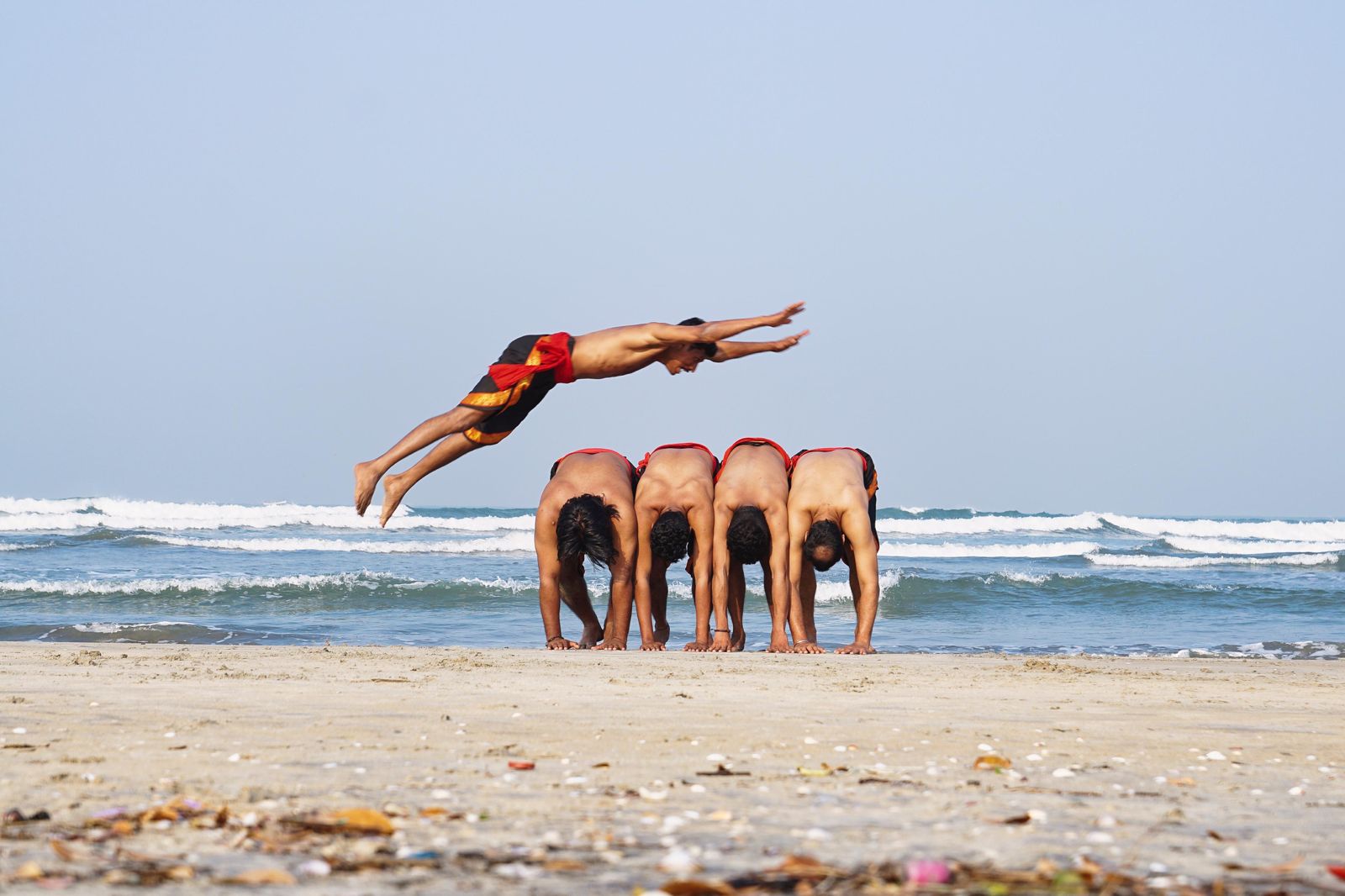
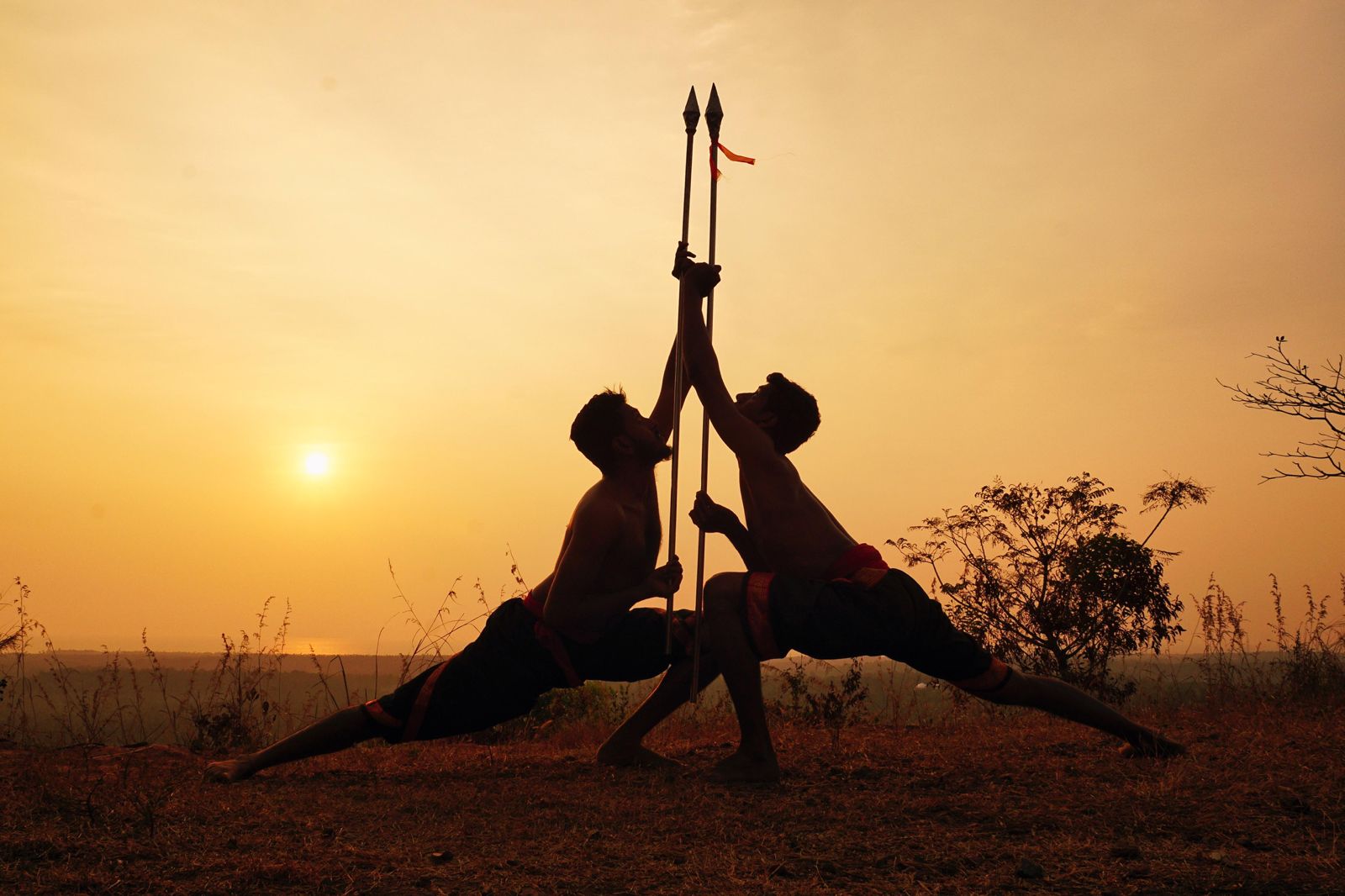
Step into the world of Kalaripayattu, Kerala’s ancient martial art that blends combat, healing, and spiritual growth. Join us in preserving a legacy that transcends generations.

previous arrowprevious arrow
next arrownext arrow

“Guru Dakshina – Digital Souvenir”

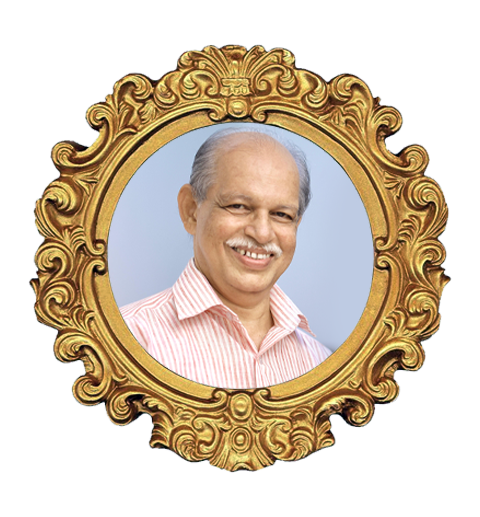
FOUNDER

Ankam Kadathanad Kalari – In Memory of Our Founder, M.E. Sureshan Gurukkal A Legacy of Dedication, Passion, and Excellence

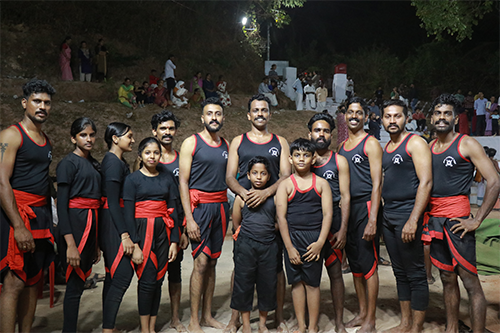
Ankam Kadathanad Kalari, a beacon of Kalarippayattu tradition and wisdom, stands tall today thanks to the indomitable spirit and teachings of our founder, the late M.E. Sureshan Gurukkal. A master, a teacher, a visionary, and a pioneer, Gurukkal dedicated his life to the practice, preservation, and promotion of Kalarippayattu, the ancient martial art of Kerala.

Sureshan Gurukkal’s journey began in 1972, under the guidance of Parath Karunan Gurukkal. His quest for knowledge and mastery led him to train with some of the most renowned Gurus in the world of Kalarippayattu, including Santom Kelu Gurikkal, , Chandran Gurukkal, and C.J. Augustine, among many others. His path was not just one of learning, but of sharing that knowledge with the world. Through his teachings, countless individuals across the globe have been introduced to the powerful, holistic discipline of Kalarippayattu.

About KALARIPPAYATTU

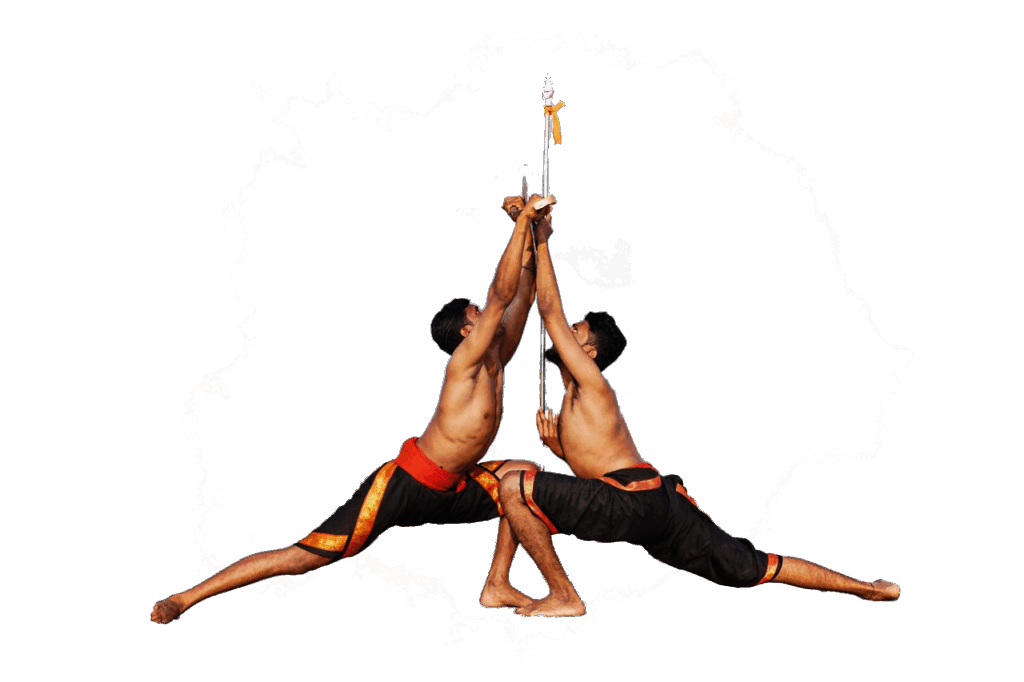
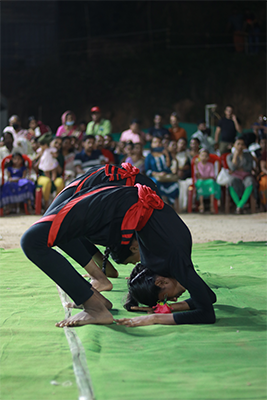
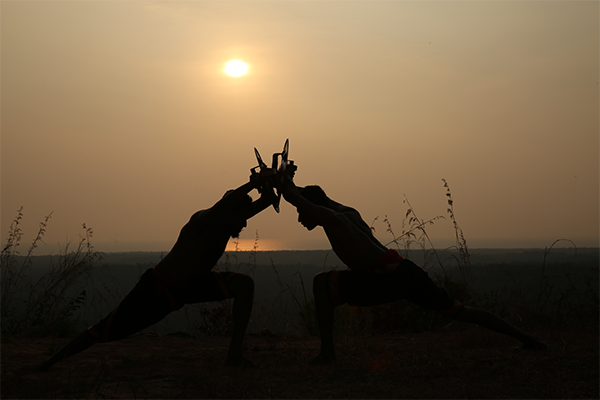
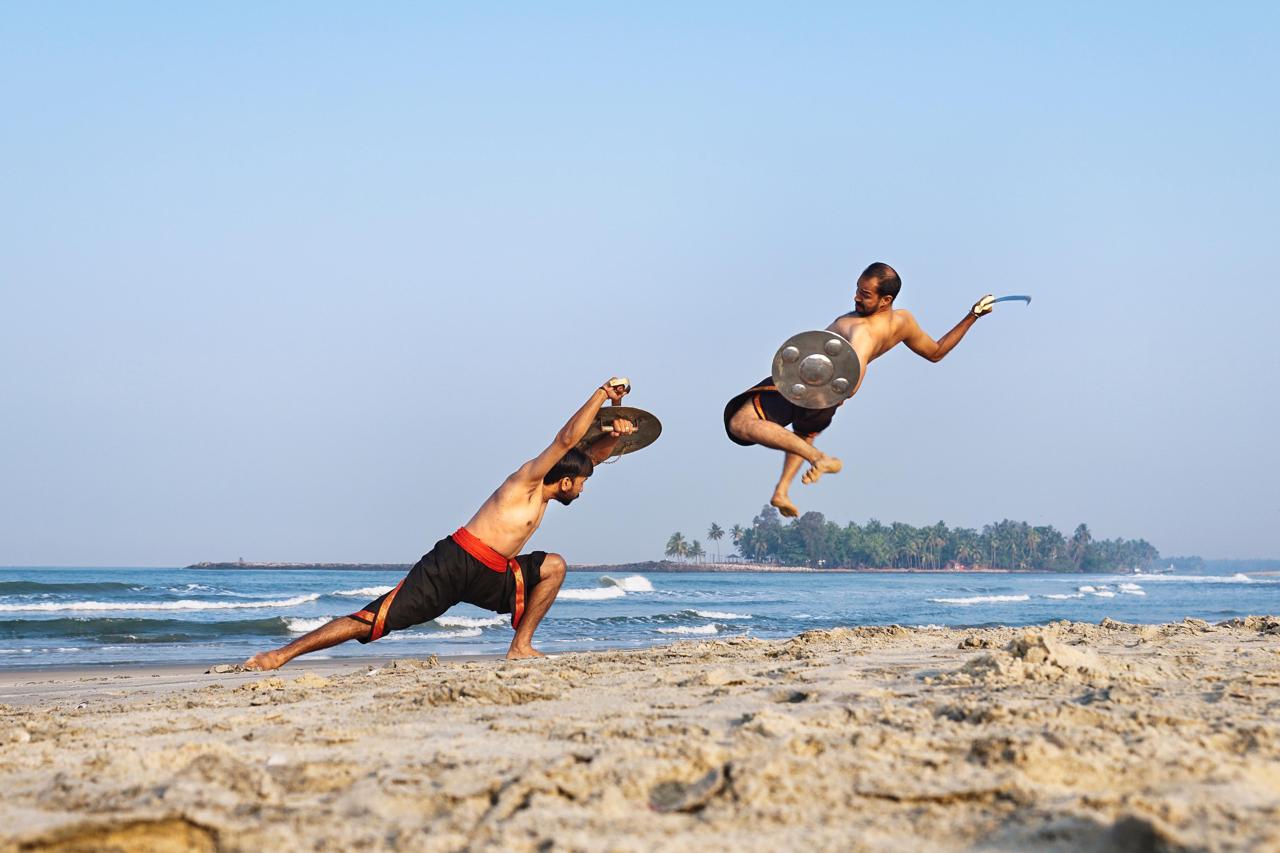
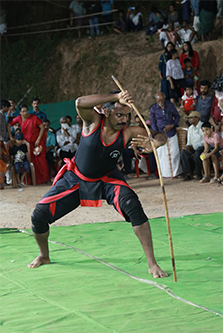
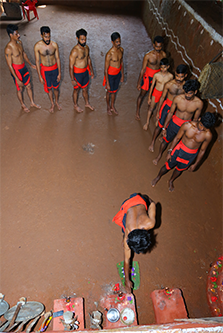
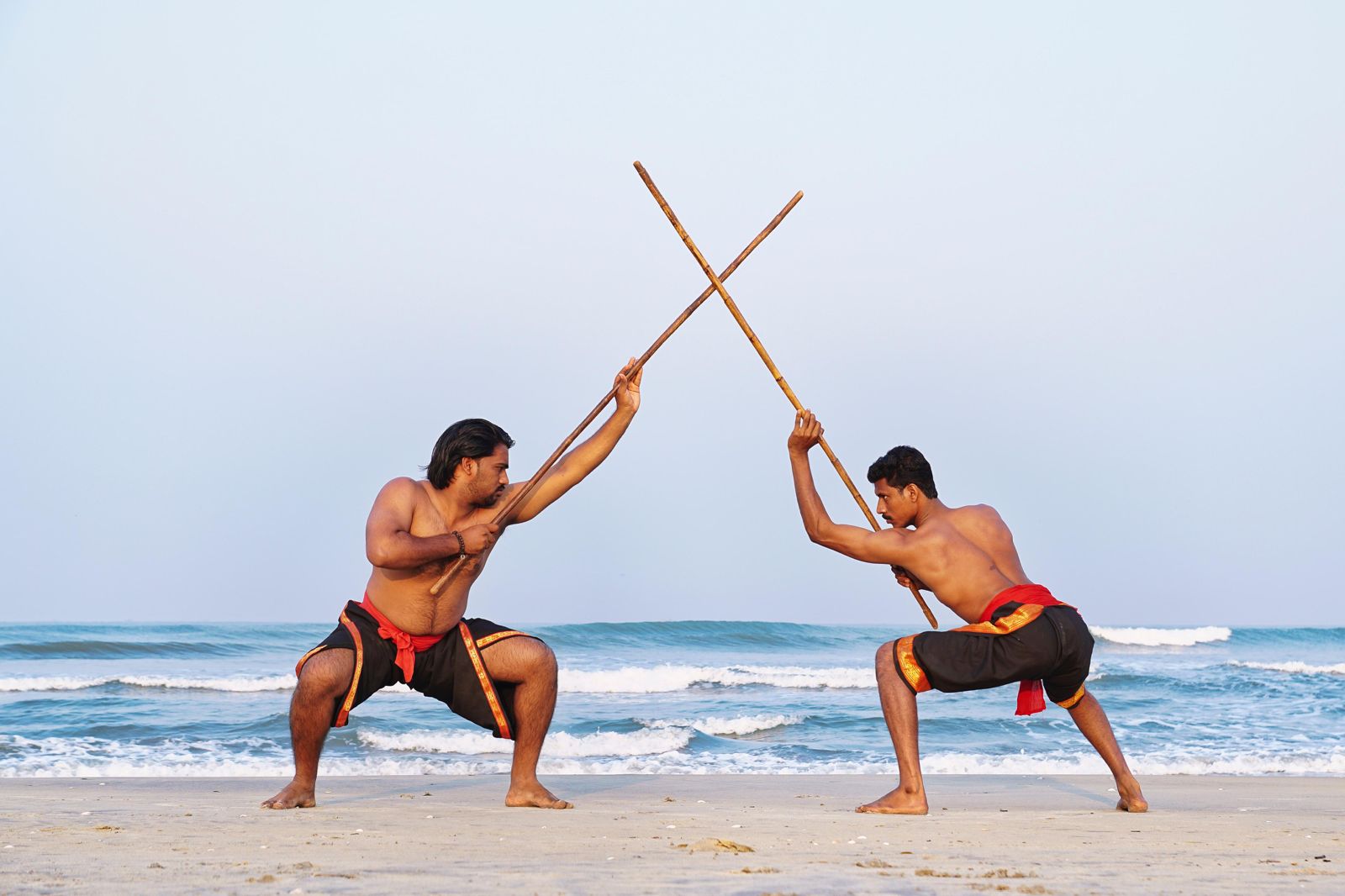
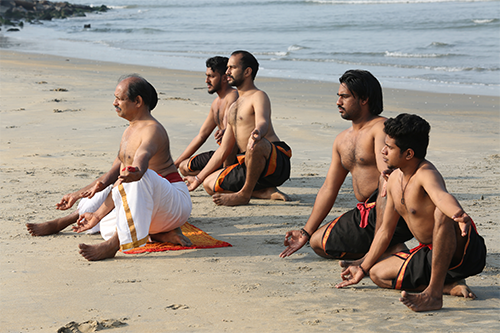
Kalaripayattu, often hailed as the “mother of all martial arts,” is more than just a fighting system; it’s a way of life deeply intertwined with the culture and history of Kerala, India. Emerging centuries ago, it was integral to the warrior culture, emphasizing not only combat prowess but also discipline, self-protection, and a healthy lifestyle. Kalari training instilled in practitioners a strong sense of respect, mental fortitude, and a deep connection to their physical and spiritual selves. Central to this holistic development was the practice of meditation, which fostered mental clarity, focus, and inner peace. It contributed to a culture of well-being, where physical fitness and mental clarity were paramount, nurturing a balanced and resilient individual.
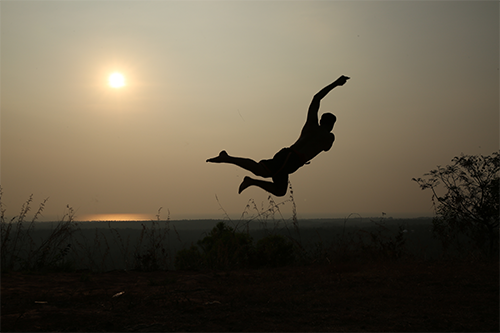
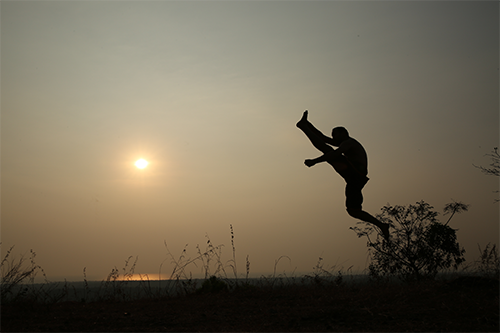
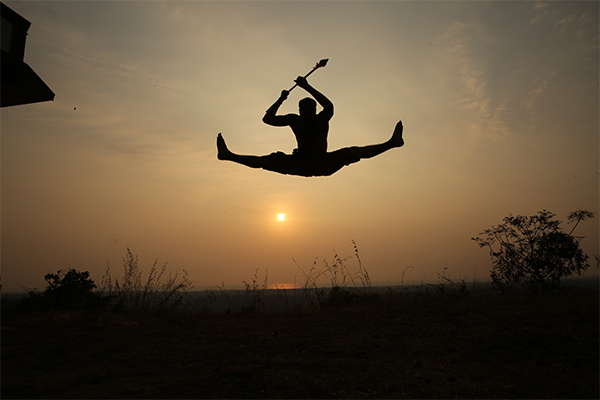
The movements and techniques of Kalaripayattu are believed to have been inspired by the observation of animals in their natural environment. Just as animals possess innate fighting skills and defense mechanisms, Kalari practitioners adopted and refined these movements, incorporating them into their unique martial art. This approach allowed them to develop a diverse range of techniques, from graceful and fluid movements to powerful and agile strikes, making Kalaripayattu a highly versatile and effective martial art. It’s a testament to the ingenuity of ancient warriors who learned from nature’s wisdom to create a system of combat that was both practical and deeply rooted in their cultural heritage, encompassing physical prowess, mental discipline, and spiritual well-being.

About KADATHANAD

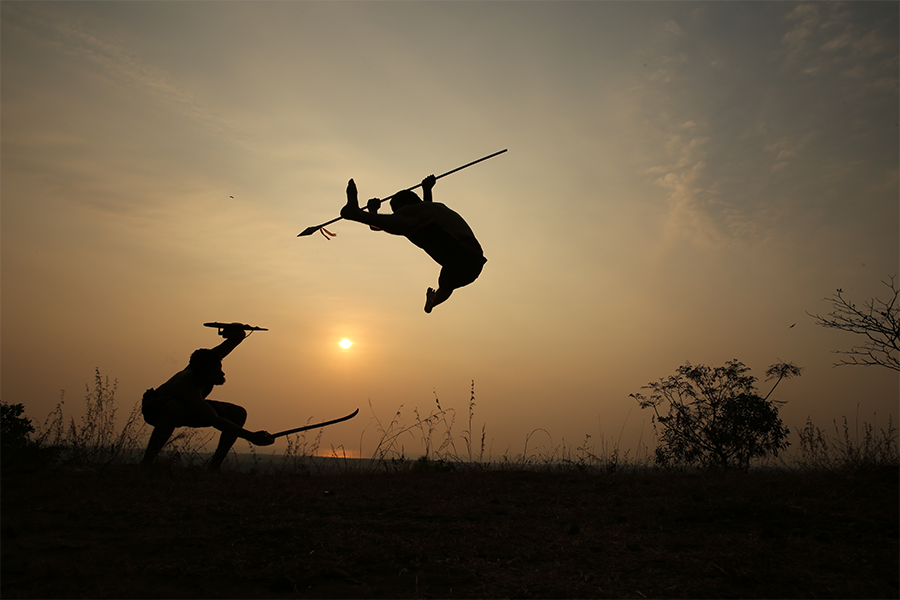
Kadathanad Kalari, a distinct and dynamic style of Kalaripayattu, carries a rich history steeped in the traditions and folklore of North Malabar. Its origins, while shrouded in time, are deeply intertwined with the warrior culture of the region, emerging as a vital component of their social and martial practices. This style of Kalaripayattu developed within a specific geographical and cultural context, shaped by the unique needs and challenges of the area. It became more than just a fighting system; it was a way of life, instilling discipline, physical prowess, and a deep connection to the land and its traditions. The emphasis on practical combat skills, combined with a holistic approach to health and well-being, made Kadathanad Kalari an integral part of the community’s identity.
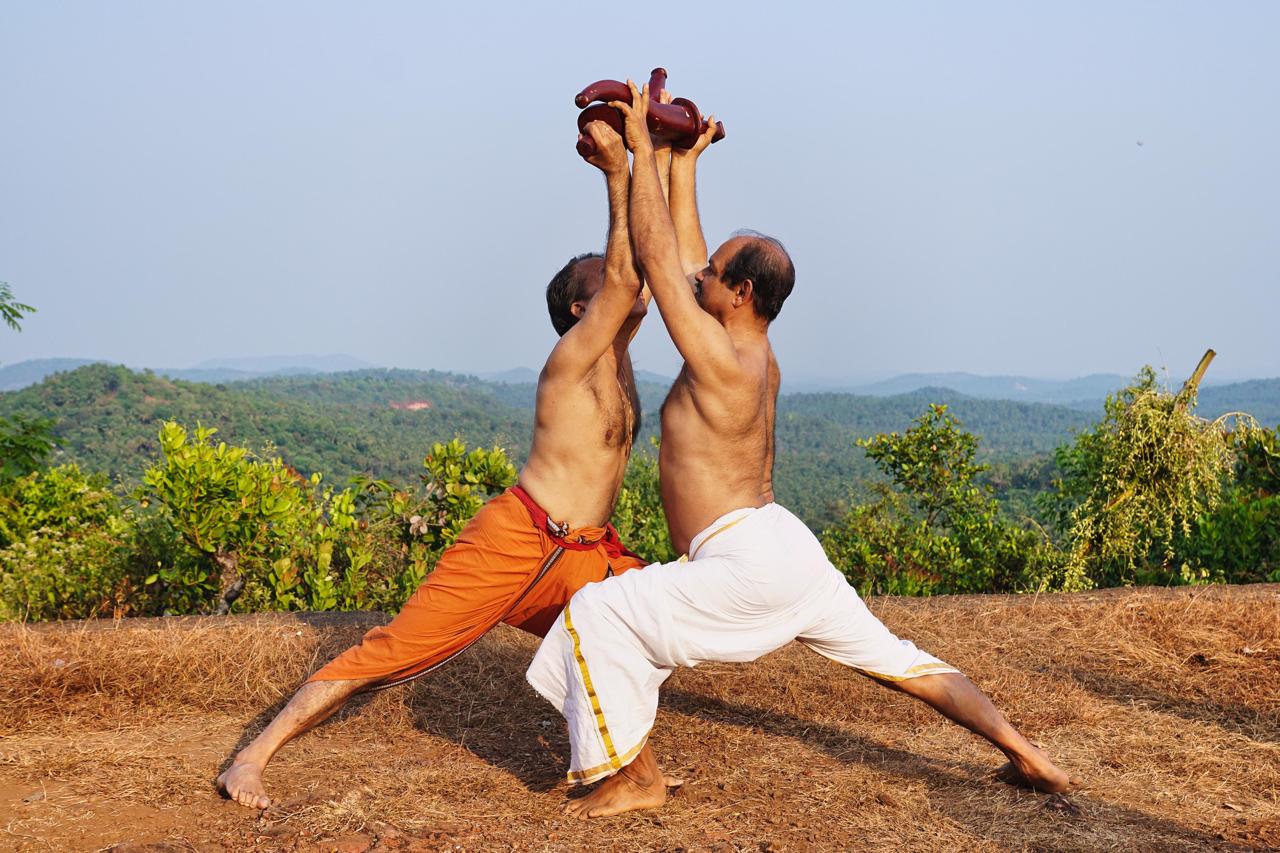
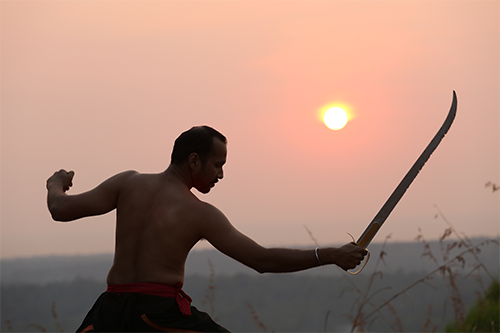
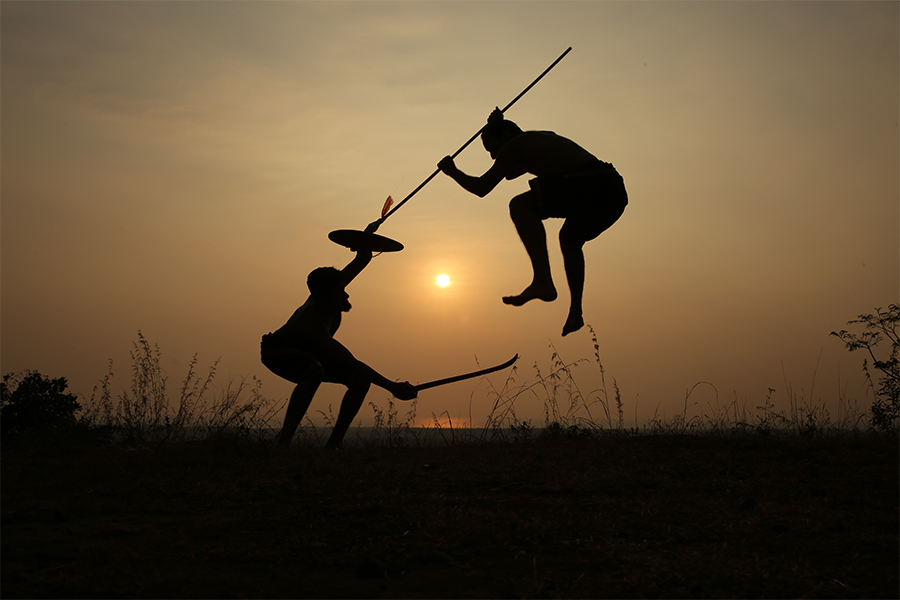
The influence of Kadathanad Kalari, while firmly rooted in North Malabar, extended beyond strict geographical boundaries. Its techniques and principles were disseminated through interactions between warriors, traders, and cultural exchange, leading to its adoption and adaptation in various parts of Kerala. The style’s focus on fluid movements, agility, and the integration of both armed and unarmed combat contributed to its widespread appeal. It became known for its dynamic nature, emphasizing both offensive and defensive strategies, and its practitioners were renowned for their skill and adaptability. Kadathanad Kalari represents not only a specific martial art style but also a significant chapter in the broader history of Kalaripayattu, contributing to the rich and diverse heritage of this ancient Indian martial art form.

Welcome to a small journey through our Kalari — a sacred space where tradition, discipline, and strength come alive.”